

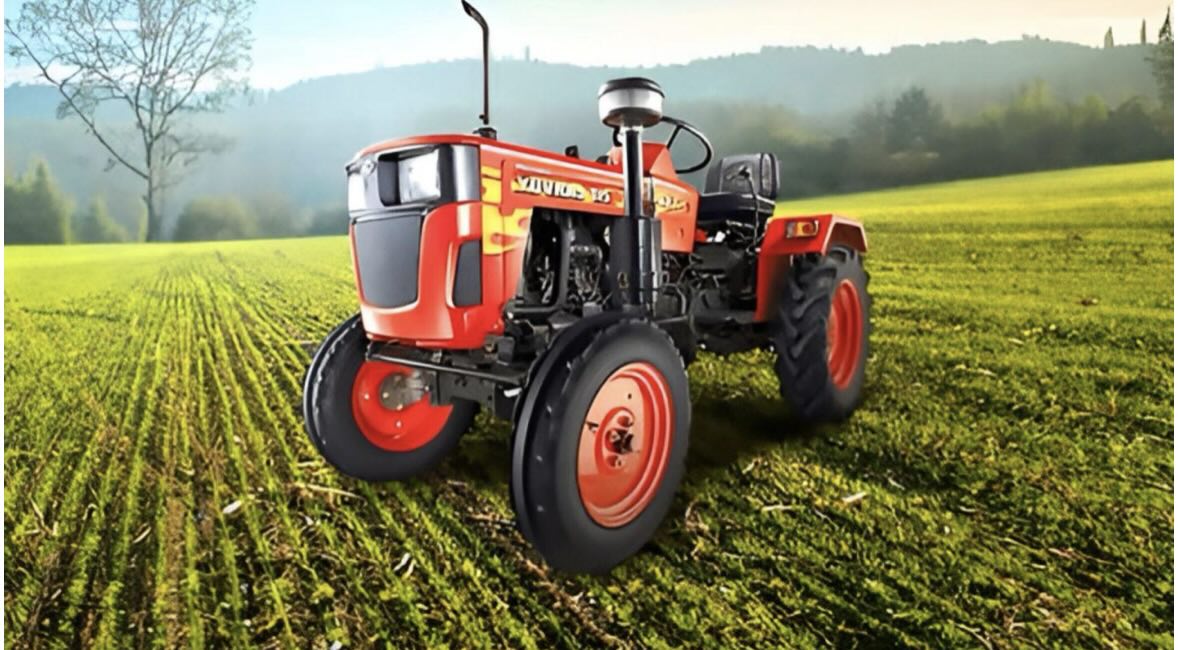

India doesn’t farm in one colour. A paddy field in coastal Odisha, a cotton belt in Vidarbha, and a potato plot in the Gangetic plains demand different machines and working styles. That is why a tractor that feels perfect in one district can feel oversized in another. Mahindra’s approach is to match the machine and the after-sales network to the region, so farmers get steady output, easier upkeep, and better value across seasons.
Here is a region-wise look at how Mahindra Tractors supports Indian farmers, and what to consider when selecting a farming tractor for your land, crop pattern, and local conditions.
What “support” means on a farm
For most farmers, support goes beyond delivery day. It usually includes:
- Choosing the right horsepower, tyres, and attachments for local soil and crops
- Access to service and spares during sowing and harvesting windows
- Finance options that suit cash flows after harvest
- Operating guidance that reduces fuel use and wear
When these pieces come together, the tractor becomes a dependable partner, not a seasonal risk.
1. Northern plains: long hours and tight calendars
From Punjab and Haryana to western Uttar Pradesh and parts of Bihar, farms often run on strict schedules for wheat, rice, sugarcane, and fodder. Tractors are expected to work long days with rotavators, seed drills, and trolleys.
How Mahindra supports farmers in the plains:
- Stable hydraulics and strong lift capacity for common heavy implements
- Configurations suited for field work and frequent haulage in flat terrain
- Wide service reach in high-density belts, where downtime is costly
If your work involves regular hauling, choose a farming tractor with adequate torque and braking confidence, not only peak horsepower.
2. Central India: black soil and mixed operations
Madhya Pradesh, parts of Maharashtra, and Chhattisgarh see black cotton soil and mixed cropping: soybean, wheat, pulses, and cotton. Soil can be sticky when wet and hard when dry, which demands traction and steady power delivery.
What typically matters here:
- Tyre options and ballast guidance for better grip
- Strong PTO performance for threshers and other attachments
- Maintenance discipline, because dust and heat are common
In these regions, quick access to routine parts through local dealers can make a noticeable difference during peak season.
3. Western drylands: rugged build and fuel discipline
Rajasthan and parts of Gujarat face dry spells, sandy soils, and longer travel between villages and fields. Work can include haulage, land preparation, and irrigation-related movement. Reliability and running costs matter as much as capability.
Regional support focus often includes:
- Guidance on tyre pressure and traction to reduce slippage
- Easy access to common spares, because the nearest town may be far
- Finance planning aligned to rain-dependent income cycles
Here, farmers also watch the tractor price closely. A sensible decision balances purchase cost with fuel efficiency, service access, and long-term durability.
4. Eastern India: puddling, small plots, and versatility
West Bengal, Odisha, Assam, and parts of eastern Uttar Pradesh commonly involve paddy cultivation, wet fields, and smaller landholdings. Turning radius, weight distribution, and implement compatibility can matter more than raw power.
How Mahindra fits these conditions:
- Options that can handle wet-field operations with better stability
- Compact choices that manoeuvre well on narrow bunds and small plots
- Demonstrations that show correct operating practices in local conditions
For many farmers here, the right farming tractor is one that can shift from field work to haulage without constant adjustments.
5. Southern regions: mixed farming and horticulture needs
In Tamil Nadu, Karnataka, Telangana, Andhra Pradesh, and Kerala, you often see a blend of row crops and horticulture. Orchard spacing, inter-row movement, and occasional slopes call for balance and precise control.
Support that makes a difference:
- Choices suited to narrow-row operations where space is tight
- Better control for implement depth, important for horticulture beds
- Servicing schedules for high-usage, multi-crop farms
If you run a diversified farm, shortlist tractors based on versatility, not only tractor price. The lowest upfront figure can become expensive if the machine struggles across tasks.
6. Hill and semi-hill areas: compact strength and safety
Uttarakhand, Himachal, parts of the North East, and hilly pockets elsewhere demand careful handling, compact dimensions, and dependable traction. Transport on inclines and narrow paths increases the importance of stability.
What farmers typically look for:
- Compact footprints that fit terraces and narrow roads
- 4WD options for grip on slopes and loose soil
- Responsive service support, because logistics can be harder in the hills
Beyond the tractor: the ecosystem that keeps farms running
Mahindra’s support is also about what surrounds the machine.
Implement matching matters as much as horsepower. Many dealers guide farmers on choosing and setting up rotavators, cultivators, seed drills, and trolleys suited to local soils. A well-matched implement reduces load, saves fuel, and improves finish quality. It also protects the drivetrain and tyres over the years. That support shows up when it is missing.
Service and spare parts availability
A tractor earns only when it works. Service camps, trained technicians, and access to genuine spares reduce breakdown risk. Ask your local dealer about:
- Turnaround time during peak season
- Availability of common parts in nearby stock points
- Mobile service arrangements for remote villages
Financing and ownership planning
Many buyers compare tractor prices first, but affordability is also about repayment comfort and total cost over the years. Discuss:
- Down payment options and seasonal repayment plans
- Warranty coverage and servicing intervals recommended for your usage
- Expected maintenance costs based on annual hours
Operator awareness and demonstrations
Simple habits, such as warm-up time, correct gear selection, clean filters, and safe hauling, extend tractor life. Demonstrations and operator guidance build confidence, especially for first-time owners.
How to choose the right tractor for your region
Before you finalise a farming tractor, use this quick checklist:
- Soil: heavy clay, black soil, sandy, or wet paddy?
- Land size: small fragmented plots or large continuous fields?
- Crops and implements: rotavator, cultivator, seed drill, sprayer, trolley?
- Terrain: flat, undulating, or slopes?
- Usage: occasional support or daily workhorse?
Then weigh the tractor price alongside:
- Service access in your taluka
- Fuel consumption in your typical tasks
- Comfort and safety for the operator
- Resale demand for that model locally
A closing thought
Farmers don’t need the biggest tractor; they need the right one, backed by dependable support. Across India’s regions, Mahindra Tractors aims to meet that need through varied tractor choices, service reach, and practical ownership guidance. When the machine matches your soil and crop calendar, it becomes a productivity advantage.