
A car accident can leave you with two repair bills: one for your vehicle and another for the vehicle you hit. Your car insurance determines which bill the insurer can help pay. That is the main third-party vs comprehensive difference.
Both types can deal with your legal responsibility towards other people, but only a policy with own-damage cover can pay for repairs to your own car. The difference becomes important the moment you need to make a claim.
What Does Third-Party Insurance Pay For?
Third party insurance is mandatory for cars driven on public roads in India. It deals with your legal liability if your car causes harm to another person or their property.
After an accident, it can cover:
- Damage to another vehicle: Repair costs where you are legally responsible.
- Damage to property: Loss involving a boundary wall, shopfront or similar property.
- Injury to another person: Compensation arising from an accident involving your car.
- Death of a third party: Compensation determined through the legal process.
This cover does not pay for damage to your own car. It also does not automatically pay your medical bills. Separate personal accident cover may apply to eligible injuries.
Third-party claims can involve police records, an assessment of liability and proceedings before the Motor Accident Claims Tribunal. Payment is not automatic simply because an accident happened.
What Does Comprehensive Car Insurance Cover?
Comprehensive car insurance covers third-party liabilities and damage to your own car. It also protects against theft, fire and certain natural disasters.
Under this policy, you can claim for:
- Damage to Your Own Car: Repair costs if your vehicle is damaged in an accident or collision.
- Damage to Another Vehicle: Costs arising from damage caused to another person’s vehicle.
- Third-Party Injuries: Legal compensation if another person is injured or dies in an accident involving your car.
- Fire Damage: Loss or damage to your car caused by an accidental fire.
- Natural Disasters: Damage caused by floods, storms, earthquakes and other covered events.
- Car Theft: Compensation if your car is stolen and cannot be recovered.
The insurer will cover eligible expenses subject to policy terms and conditions. Deductibles, depreciation and exclusions can affect the final claim amount.
How the Same Accident Is Handled
The table below explains how third-party and comprehensive insurance handle different expenses when your car is involved in an accident.
|
After the accident |
Third-party only |
Comprehensive |
|
Someone else’s car is damaged |
Legal liability can be covered |
Legal liability can be covered |
|
Your own car is damaged |
You pay for repairs |
You can claim eligible repairs |
|
You need a garage for your car |
No own-damage claim |
Cashless or reimbursement, where available |
|
You are injured |
Separate cover may be needed |
Separate cover may still be needed |
What Should You Do at the Accident Spot?
Make sure everyone is safe before discussing who will pay. Then:
- Check for injuries and call for medical help if needed.
- Move to safety where possible.
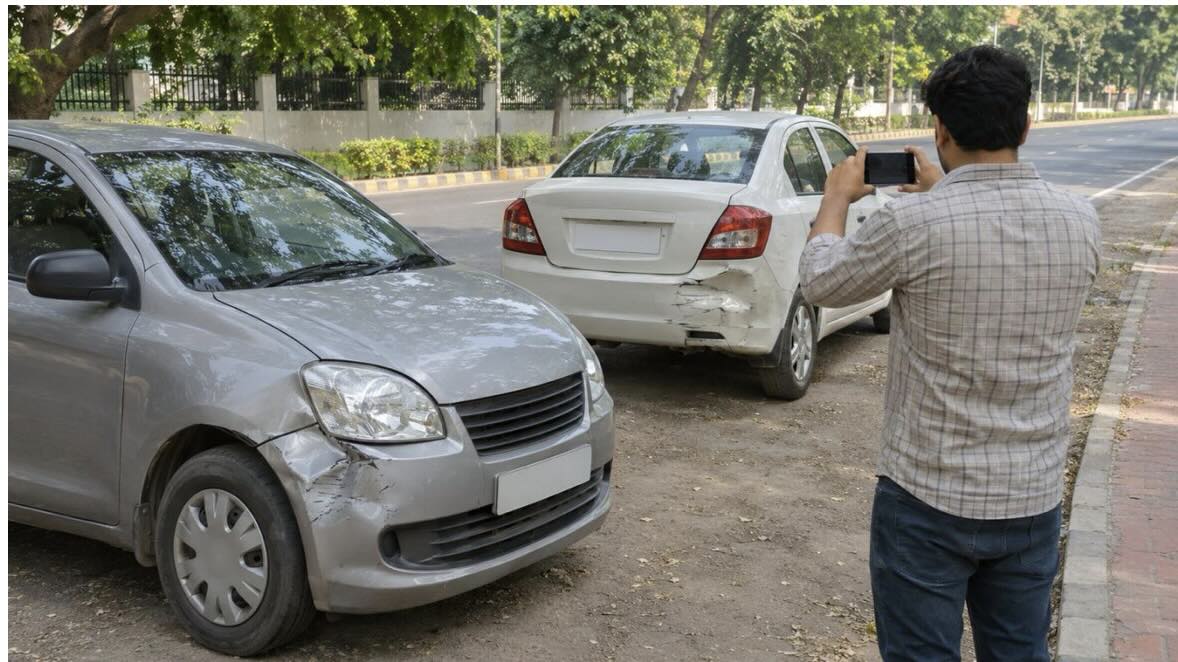
- Photograph the vehicles, damage and road conditions.
- Exchange contact and vehicle details with the other driver.
- Report the accident to police where required, especially if anyone is injured.
- Inform your insurer promptly before arranging major repairs.
Keep your driving licence, registration certificate, policy details and police report, if any, ready. For an own-damage claim, the insurer may inspect your car or request a repair estimate before approving work.
Can Your Claim Be Reduced or Rejected?
Yes, an expired policy, an unlicensed driver or driving under the influence can create serious claim problems. For own-damage claims, deductibles and excluded repairs can reduce the payout.
HDFC ERGO’s Zero Depreciation Cover is an optional add-on that helps reduce out-of-pocket repair expenses after an accident. It covers depreciation deductions on eligible car parts during own-damage claim settlement, subject to policy terms and conditions.
Avoid promising compensation or settling a liability claim without your insurer’s approval. Ask the insurer about the next steps.
Which Cover Makes More Sense?
Third-party cover meets the legal requirement and addresses covered liabilities towards others. Comprehensive cover adds protection for your car, which matters if paying for repairs yourself would be difficult.
Your choice depends on your car’s value, its condition and your repair budget. Before buying or renewing, read the own-damage section, exclusions and claim rules. After an accident, those details decide what you can claim.
Conclusion
The difference between third-party and comprehensive car insurance becomes clear after an accident. Third-party cover protects you against legal liabilities involving others, while comprehensive cover also helps pay for damage to your own vehicle. Choosing the right policy depends on your car’s value, repair costs and coverage needs. Always check the policy terms, claim limits and exclusions before buying insurance.