

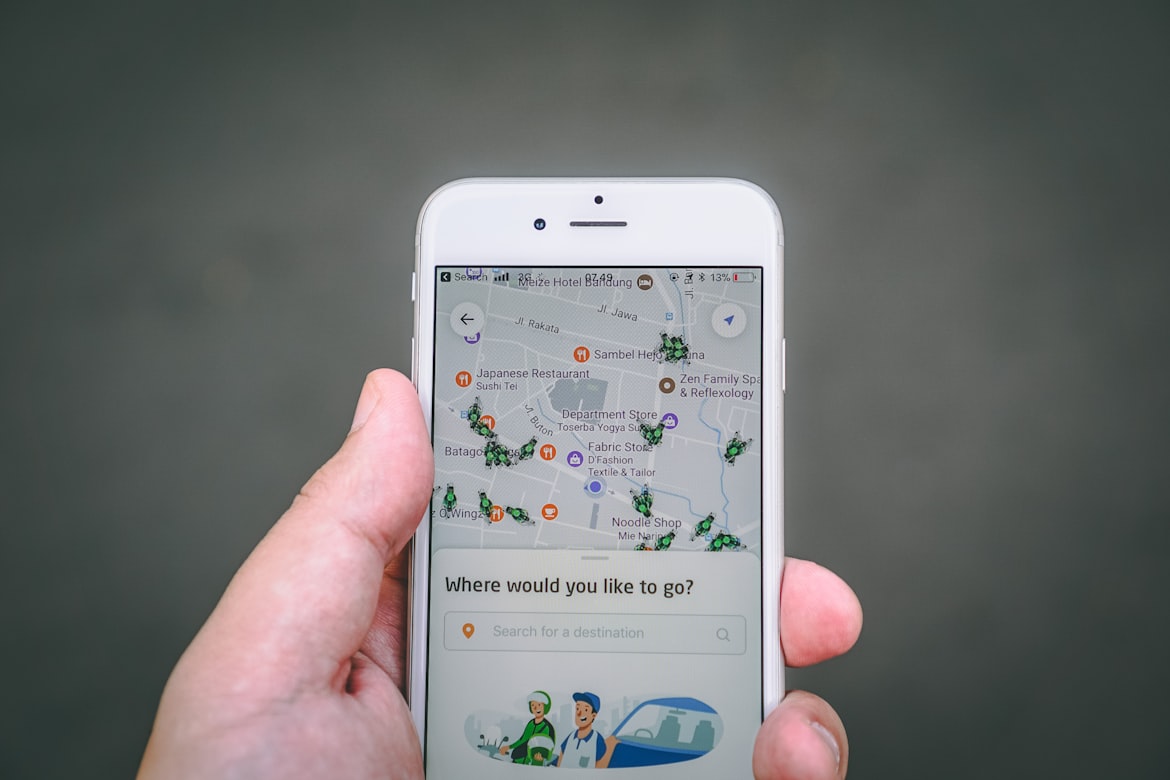

Ride-hailing has quickly become a preferred way to travel. It offers comfort, low wait times, and easy app-based access. Millions of people use these services each day, trusting that technology ensures their safety.
With GPS tracking, real-time updates, and user reviews, it seems like a modern solution to old transportation problems. But the convenience of ride-hailing often hides its deeper risks. These risks are often overlooked by riders until it’s too late.
The industry’s rapid expansion only adds to the concern. According to Statista, the ride-hailing market in the United States is projected to generate nearly $59.27 billion in revenue by 2025. Even more striking, the number of users is expected to reach 107.52 million by 2030. These numbers show that more people use ride services, but safety measures haven’t advanced at the same rate.
This blog post aims to uncover the gap between growth and safety.
When Real Stories Reveal the Risks
Behind the smooth app interface, real people face real consequences. Every ride feels personal, but the system treats it as data. Stories of danger, fear, and trauma are becoming more common. Some users speak out. Others suffer in silence. These lived experiences reveal more than any report can.
For the past few years, companies like Uber have been accused of failing to protect passengers from sexual abuse. According to Bloomberg Law, Uber will face its first jury trial over claims it failed to prevent driver sexual assaults on passengers.
A California judge ruled Uber qualifies as a common carrier and must provide the utmost care to riders. The trial involves over 500 assault lawsuits from California passengers, with thousands more in federal court. The Uber sexual assault lawsuit brought several of these stories to light. Hundreds of survivors came forward. Their cases revealed deep flaws in how drivers were screened and monitored.
According to TorHoerman Law, many victims are now turning to the legal system for support and accountability. They’re seeking compensation for the harm they endured during rides booked through popular apps like Uber. These cases highlight the need for stronger safety policies and more transparent company responses. For many survivors, legal action is the only path toward justice and long-overdue recognition.
The Illusion of Safety in Ride-Hailing Apps
Ride-hailing companies advertise trust and safety. Many users believe the technology ensures a secure experience every time. But that belief often hides the bigger picture. Drivers are often not vetted as thoroughly as claimed. Some slip through with fake documents or incomplete background checks.
A 2025 study in MDPI found users still hesitate to adopt pooled ridesharing, largely due to safety and privacy concerns. Among 8,296 participants, driver verification and vehicle information ranked highest for building trust in shared rides.
Despite growth, pooled rideshare usage remains low, rising only from 6% in 2021 to 8% in 2025. Riders want more than convenience – they demand verified drivers, reliable service, and safety during peak ride hours. These results show that ride-hailing apps still struggle to meet basic user expectations around trust and safety.
Even with driver photos and license details, identity fraud is possible. Some drivers rent accounts or share them illegally. That raises big safety questions. Safety becomes an illusion when systems are not properly enforced. You might not know who is actually behind the wheel. This illusion affects both riders and drivers alike. When safety is marketed more than it is practiced, everyone loses in the end.
The Accountability Gap in Modern Apps
Ride-hailing firms claim they are just tech platforms. That means they often avoid legal responsibility. This model creates an accountability gap. The driver owns the car and accepts the rider. But the company manages payments, tracking, and customer support.
Most ride-hailing agreements shift responsibility to the driver. Riders rarely read these terms. In reality, many cases fall into a grey zone. Insurance coverage may be unclear. Riders may not know their rights. Some claims are settled quietly, with limited transparency. Drivers may face penalties even when the system fails them.
Companies benefit from this confusion. The less clear the rules, the easier it is to avoid lawsuits. Drivers operate as independent contractors. That allows companies to distance themselves from accidents or misconduct. Without clear rules, accountability suffers. The people involved carry the consequences, not the app that connected them. And that’s a problem.
When Convenience Comes at the Cost of Security
Ride-hailing is built on speed and ease. Open an app, tap a button, and your car arrives. But with that convenience comes trade-offs. Quick access often means weaker control over safety.
Trust in technology can be misleading. Features like SOS buttons or “share your trip” options don’t always prevent danger. They respond after something happens. In many cases, it’s already too late.
Apps push drivers to take more trips. That creates fatigue and burnout. Tired drivers pose serious risks, especially late at night. Riders may also ignore red flags due to time pressure.
Moreover, driver fatigue is a major crash cause, yet little is known about its impact on ride-hailing and taxi services. A 2023 study in ResearchGate found eight main fatigue factors, including long hours, poor sleep, and short rest breaks.
Additional risks include job demand, traffic congestion, algorithmic pressure, and lack of driver benefits or job stability. The study showed fatigue in ride-hailing is as serious, or worse, than in other transport sectors. Understanding driver conditions is critical for creating effective safety policies and reducing fatigue-related ride-hailing crashes.
Frequently Asked Questions:
Is ride-hailing safer than regular taxis?
Not always. Ride-hailing drivers often face fewer regulations than licensed taxi operators. Safety can depend on the driver, city laws, and app policies. Unlike taxis, ride-hailing vehicles may skip regular inspections, making the experience less predictable and sometimes riskier for passengers.
What actions can I take if I start feeling unsafe during a ride?
Use the in-app safety button when available. Share your trip details with a trusted contact. If possible, ask the driver to stop in a safe area and exit. Report the incident to the app immediately and document details if you feel threatened.
Can I sue a ride-hailing company for misconduct?
Yes, but it depends on the specific situation. Companies often claim limited liability by labeling drivers as independent contractors. Legal action is possible, especially in serious cases. Consult a lawyer to understand your rights and the steps involved in filing a claim.
Ride-hailing feels modern, simple, and smart. But safety remains a growing concern beneath the smooth surface. Legal gaps, tired drivers, and weak oversight create real dangers. Technology cannot replace strong safety practices. Know your rights before you ride. Your awareness may be your best protection.