

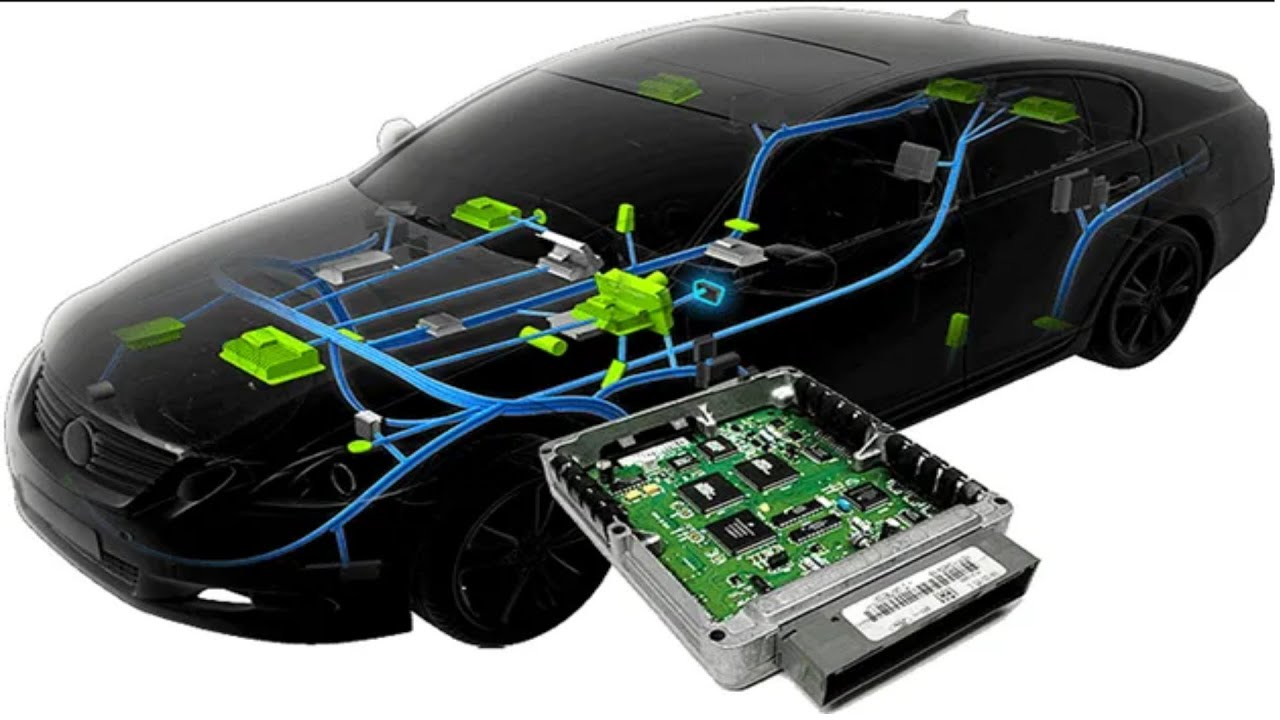

New cars have so many computers controlling so many things they have become computers and only incidentally machines. There are a number of problems with this that go beyond the subjective dislike some people (me among them) have for excessive computerism, to coin a neologism. (They’re putting little computers in toothbrushes. It is out-of-hand.)
As regards cars, the problem with too much computerism is that computers are comparatively short-lived things. A mechanical thing can easily last decades because it can be fixed along the way and even rebuilt, if need be. You throw old computers away. That is ok if the computer is small and relatively inexpensive, as for example a smartphone or a desktop/laptop computer. The buy-in cost isn’t much – maybe $2,000 or so for a high-end desktop/laptop or the latest iPhone. If you get say six years of service out of such computers, you’ve gotten what you paid for it and now it’s time for a new one, which makes sense financially as well as functionally since after six years have passed the hardware and software in your old desktop/laptop or iPhone is outdated and can no longer be updated. So you toss it and get a new one.
It is much less easy – financially – to toss a vehicle you paid $50,000 for (the average price paid for a new vehicle) after six years, which is how long it typically takes to pay off the loan you bought in order to drive the car off the dealer’s lot. Because if you do toss it, you’ll be needing another vehicle and something equivalent will cost you another $50,000. More than that, actually – because what costs $50k today is apt to cost $60k six years from now due to currency debasement (“inflation”). In order for that $50k “investment” (ha!) to make any kind of sense, the vehicle must serve its purpose for at least twice as long (about 12 years) it took to pay it off and even then, it still ought to be worth something, as for example, a hand-me-down to a teenaged driver.
The problem with computer-festooned vehicles is that while the mechanical components will generally last 12-plus years and are generally repairable, the computers (plural) new and recently-made vehicles are festooned with are not. They work until – on day – they no longer work. The problem then is that a new replacement computer may not be available or the cost is prohibitive – at which point the otherwise still-sound (mechanically) vehicle becomes a throw-away.
None of this is necessary – let alone sensible.
A computer to run the electronic fuel injection system is just that. And that’s how it was, for most of the modern era – until (roughly) around 2005 or so, which was around the time that additional computers began to be embedded in new vehicles, to control the operation of such things as the power windows and door locks and pretty much everything else that’s electronic in a vehicle. These computers (plural) are called body control modules and they are not just embedded but integrated with the vehicle’s other computers. It has reached a kind of ne plus ultra of absurdity – from the point of view of necessity and reasonableness. It is not necessary – or reasonable – to put a computer in charge of opening and closing the windows or locking/unlocking the doors. A cable mechanism is sensible for moving an automatic transmission out of Park and into Drive. If you get behind the wheel of a car with an automatic transmission that was made 50 years ago, it is just as easy to put the transmission in Drive (or Park) as it is to do the same today. The power windows and locks in a 50-year-old car go up and down just as well, too.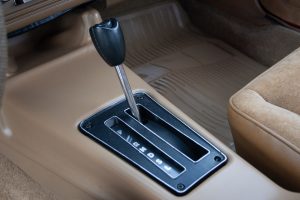
The difference is that when they don’t, it’s much easier – and a lot less expensive – to figure out what’s wrong and fix it. The electric motor that works the power windows either works or it doesn’t. A simple test of its function will determine yes or no. A continuity test is all you need to do to check the wiring. It’s essentially the same with all the other switches and control in pre-computer-enfuxated vehicles, which aren’t necessarily antiques. They’re just mostly machines rather than computer-controlled machines.
There’s really no good reason why new vehicles can’t be made without all the extraneous computerization. Fuel injection does require a computer and fuel injection is both necessary – for reasonable emissions control – as well as desirable, since it is a huge everyday drivability improvement over mechanical fuel delivery (i.e., carburetors). But everything else is unnecessary from any reasonable/sensible point-of-view. If you are in doubt, go drive a car made in the early 2000s and see whether it starts/runs/drives any differently than a brand-new computer-encrusted car. Do the power windows/locks work any worse? Is the cruise control primitive feeling? Is it a chore to move the gear selector from Park to Drive?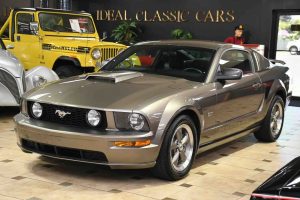
A car made in 2005 drives like a car made last month. Better, in some ways – because it probably its computer controls aren’t constantly trying to “assist” you. If circa 2005 model year cars could be made again, all would be well.
. . .
If you like what you’ve found here please consider supporting EPautos.
We depend on you to keep the wheels turning!
Our donate button is here.
If you prefer not to use PayPal, our mailing address is:
EPautos
721 Hummingbird Lane SE
Copper Hill, VA 24079
PS: Get an EPautos magnet or sticker or coaster in return for a $25 or more one-time donation or a $10 or more monthly recurring donation. (Please be sure to tell us you want a magnet or sticker or coaster – and also, provide an address, so we know where to mail the thing!)
If you’d like a Baaaaa hat or other EPautos gear, see here!










Damn right! My 2007 Sonata still going strong, bought 6 years ago used, not a single problem since.
Eric: “They’re putting little computers in toothbrushes. It is out-of-hand.”
Part of the reason everyday consumer items are electronically controlled now is probably due to it being cheaper to build, sadly it doesn’t last as long. When by 4 month toaster wouldn’t stay down I pulled the cover off and discovered it had what looked like a potentiometer that inputted to a timing chip that then actuated an electromagnet to hold it in place whereas my 60 year old toaster has a bimetallic spring and still works. The bastards don’t want you to keep using the same item for decades.
As for over computerized cars; it’s some of the above and a lot of GovCo regulations that force this happening.